How Much Yarn Do You Need for a Blanket?
Get exact yardage estimates for every blanket size — from baby blankets to full afghans — in worsted, bulky, and DK weight yarn.
How Much Yarn Do You Need for a Blanket?
Blankets eat yarn. That's just the truth. And buying too little is worse than buying too much, because dye lots change and you may not find an exact match later. Before you buy a single skein, run your dimensions through our yarn calculator to get a reliable estimate — then add one skein as insurance.
Here's what yardage looks like across common blanket sizes and yarn weights.
Yardage by Blanket Size (Worsted Weight)
Worsted weight (category 4) is the most popular choice for blankets. It knits and crochets quickly, gives a soft drape, and comes in hundreds of colors from every yarn brand. At standard knitting gauge of 18 stitches and 24 rows per 4 inches:
- Baby blanket (30×36 in): 2,376 yards knitting / 3,088 yards crochet
- Lap blanket (36×48 in): 3,801 yards / 4,942 yards
- Throw blanket (50×60 in): 6,600 yards / 8,580 yards
- Twin-size afghan (60×80 in): 10,560 yards / 13,728 yards
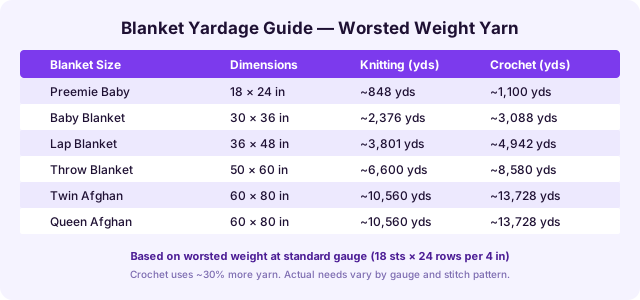
Blanket yardage reference chart showing worsted weight requirements for popular blanket sizes from baby to twin
These numbers are based on solid, flat fabric (stockinette or single crochet). Add 15–25% for cables, textured stitches, or colorwork. Subtract 10–15% for open lace patterns.
How Yarn Weight Changes the Total
The same 50×60-inch throw blanket uses very different amounts of yarn depending on what weight you choose:
- Fingering (1): roughly 29,700 yards — not practical for most blankets
- DK (3): about 8,400 yards knitting
- Worsted (4): about 6,600 yards knitting
- Bulky (5): about 4,500 yards knitting
- Super Bulky (6): about 3,000 yards knitting
- Jumbo (7): about 1,800 yards — but very few yards per skein
Bulky and super bulky weights are faster and require fewer total yards, but each skein holds fewer yards than a worsted skein. You'll end up buying more skeins, each with less yardage. Use the yarn yardage calculator to get the skein count for your specific yarn's listed yardage.
Baby Blankets: DK vs. Worsted
Baby blankets are usually 30×36 inches, though some crafters go as large as 36×45 inches. DK weight (category 3) is the most popular choice for baby items — it's lighter than worsted, softer in many fibers, and produces a fabric gentle enough for newborn skin.
For a 30×36-inch DK blanket:
- Knitting: approximately 1,900 yards
- Crochet: approximately 2,470 yards
A standard DK skein is around 250 yards. That's 8 skeins knitting, 10 skeins crochet — all from the same dye lot.
Crochet Blankets Use More Yarn
If you're crocheting your blanket, expect to use 25–35% more yarn than a knitted version of the same dimensions. Our calculator applies a 30% multiplier for crochet, which aligns with Crochet Guild of America guidelines. The reason: crochet stitches are taller and denser than knit stitches, using more yarn per square inch of fabric.
This catches a lot of crocheters off guard. A crochet throw blanket can easily need 11–12 skeins of worsted where a knitted version needs 8–9. Plan accordingly.
Stitch Pattern Matters
If you're using a textured stitch, add to the base estimate:
- Moss stitch / seed stitch: +5–10%
- Rib stitch (as a blanket): +10–15%
- Cable stitch: +15–25% depending on cable density
- Granny squares (crochet): +5–10% for joining
- Lace pattern: -10–15% (the open holes use less yarn)
For cables specifically, each cable crossing uses yarn twice — once for each side of the cross. A heavily cabled blanket pattern can require significantly more yarn than the same dimensions in plain stockinette.
How to Calculate for a Specific Pattern
If you're following a published pattern, the pattern will usually list the yarn requirements. But those are based on the designer's gauge. If your gauge differs — and most people's does, slightly — your yardage will differ too.
Use the yarn calculator to cross-check: enter your actual dimensions and gauge, and compare to the pattern's listed yardage. If the calculator says you need more, trust that over the pattern's suggestion.
For stash yarn where the total yardage is unknown, measure WPI (wraps per inch) to determine yarn weight, then substitute accordingly.
Always Buy From the Same Dye Lot
Dye lots are production batches. Two skeins from the same color with different lot numbers can have subtle color differences that are invisible on the shelf but visible in finished fabric — especially in solid or semi-solid colors. Always buy all your skeins for a project at once, from the same lot. Check the label for the lot number before purchasing.
If you're buying online, note that some retailers sell from mixed lots. Ask before ordering if dye lot consistency matters for your project.
Quick Reference: Skeins Needed by Size
For worsted weight at 220 yards per skein:
| Blanket | Knitting Skeins | Crochet Skeins |
|---|---|---|
| Baby (30×36) | 11 | 14 |
| Lap (36×48) | 18 | 23 |
| Throw (50×60) | 30 | 39 |
| Twin (60×80) | 48 | 62 |
These are rounded up to whole skeins plus one extra. Run your exact numbers through the yarn yardage calculator for a personalized estimate — especially if your skein yardage differs from 220 yards.
Want to go deeper on yarn weights? Read our complete yarn weight guide or learn how to read yarn labels so you're always buying the right amount.